How to Master HRV-Guided Training for Your Online Coaching in 5 Steps
Exercise Guides

SPUR.FIT

February 11, 2026
How to Master HRV-Guided Training for Your Online Coaching in 5 Steps
Exercise GuidesSPUR.FIT
February 11, 2026
As fitness coaches, we’re always chasing smarter ways to individualize programming—HRV-guided training lets us adapt intensity based on real-time readiness, minimize overtraining risk, and drive better gains.
Heart rate variability measures the millisecond-by-millisecond fluctuations between successive heartbeats, reflecting autonomic balance and recovery state Elite HRV.
The RMSSD (root mean square of successive differences) metric is the gold-standard for coaches, correlating strongly with parasympathetic activity and readiness to train WHOOP.
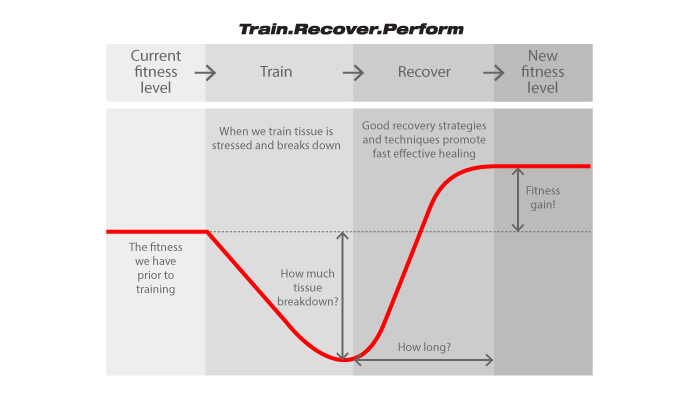
Whoop and Oura consistently report RMSSD values and provide coach-friendly dashboards for team data review WHOOP.
Select one platform—and stick with it—to ensure apples-to-apples comparison across your client roster PubMed.
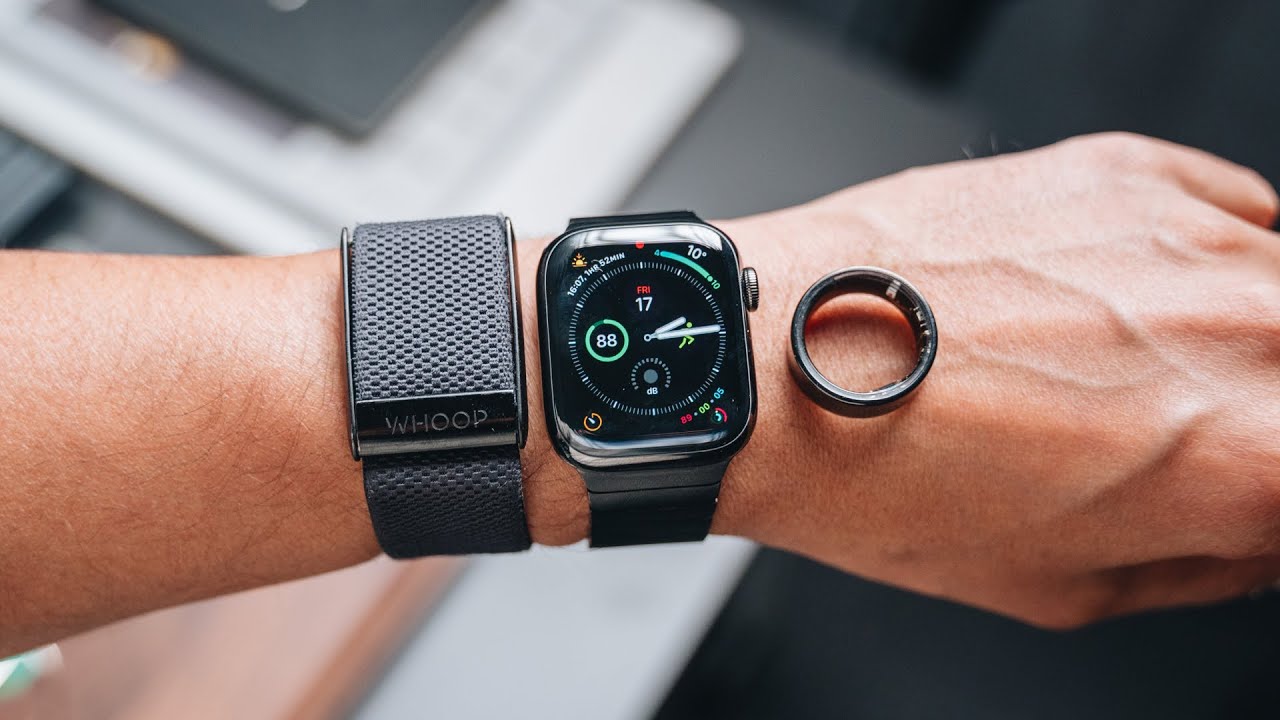
Have clients take morning readings in a consistent supine position for 7–10 days to build their personal “normal” range TrainingPeaks.
Use a simple spreadsheet or your coaching software’s analytics to calculate mean and standard deviation, flagging values beyond ±1 SD PubMed.
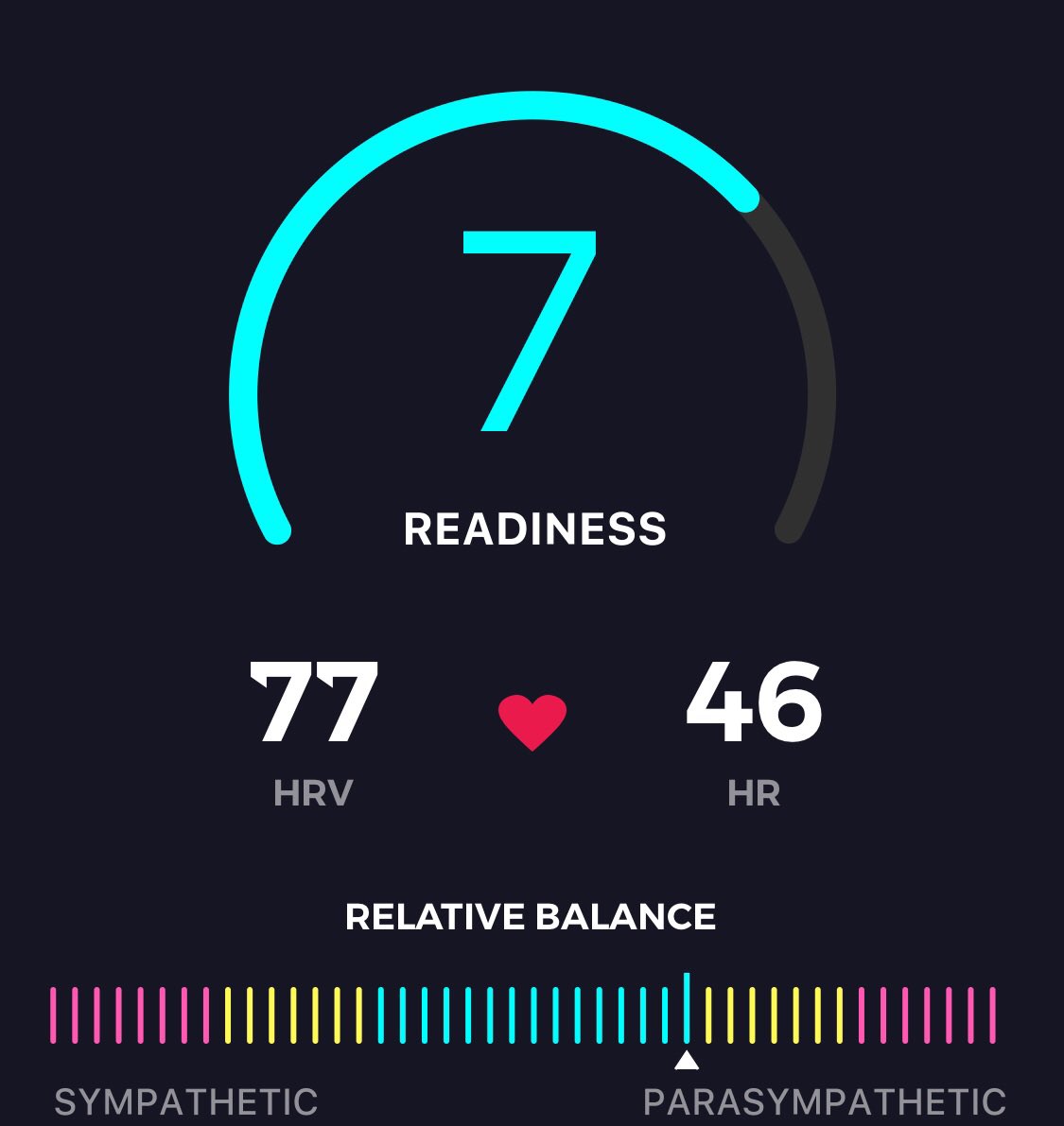
Implement a three-zone model based on deviations from baseline TrainingPeaks:
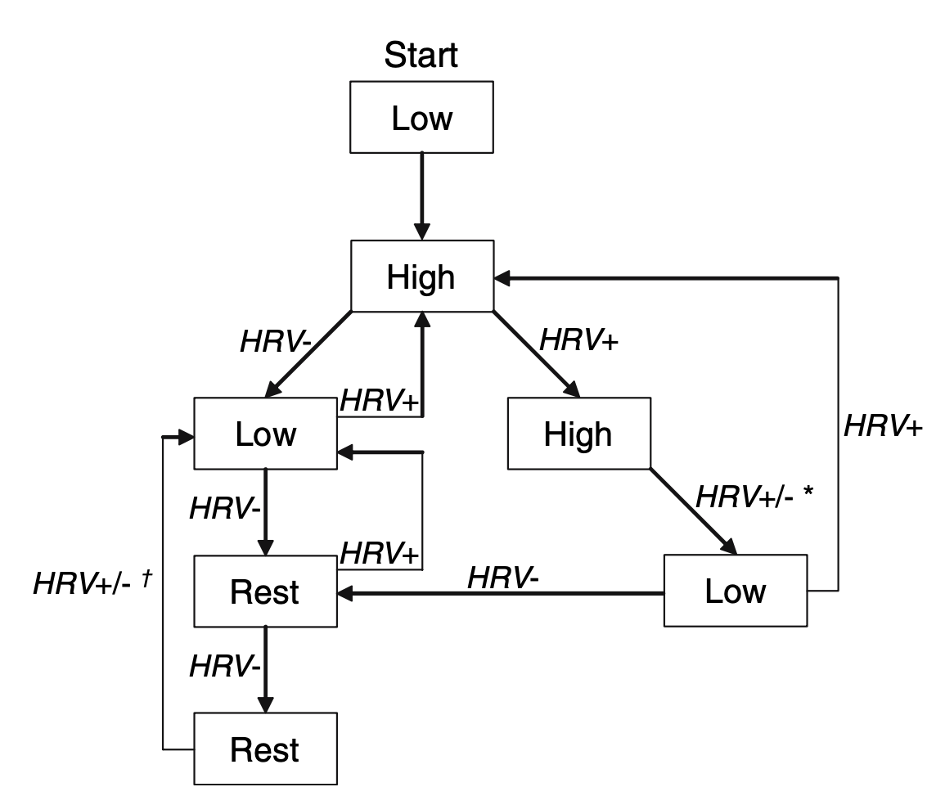
In one case, an endurance athlete improved VO₂max by 15 % over six weeks with zero injuries by following strict HRV rules Elite HRV.
Review HRV trends weekly, pair them with client check-ins on sleep and stress, and tweak decision thresholds based on long-term data patterns Medium.
Ready to streamline HRV-guided coaching? Try it today with Spur.Fit!